Eyas London × Mini Mozart | The First Senses, November 2026
Most of us think of a newborn’s first weeks as a blur of feeding and sleeping. Yet behind those heavy eyelids, your baby’s brain is busy wiring itself, and what they see and hear is part of the blueprint. The surprise? Hearing begins before birth, and a newborn’s first view is completely blurry!
How babies see
Moorfields Eye Hospital states that understanding the stages of visual development is critical to helping caregivers provide the right visual stimulation in the early months of life.
0–2 months
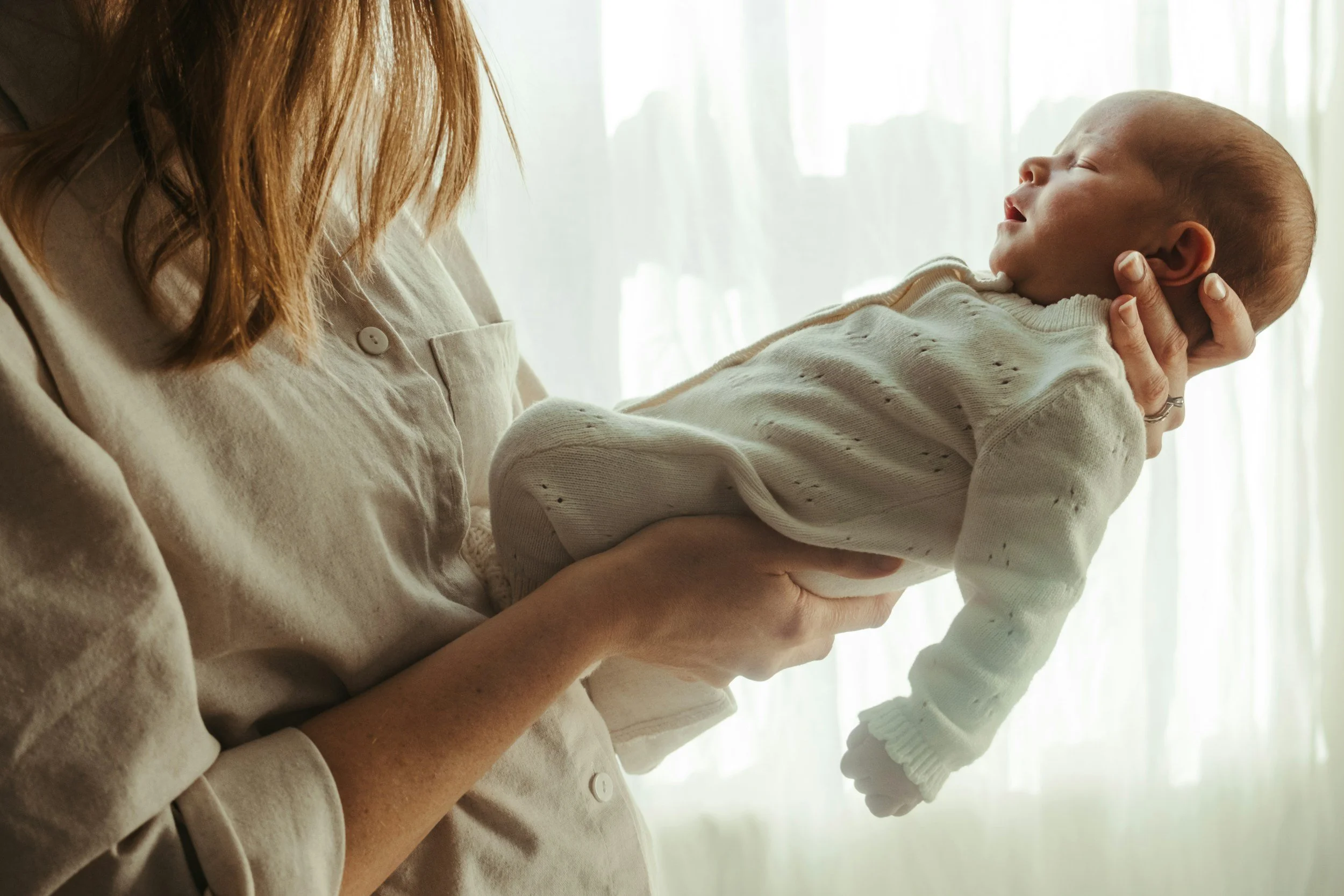
The American Academy of Ophthalmology (AAO) states that central vision is “still developing” at birth. Moorfields Eye Hospital adds that newborn babies (0–2 months) can initially see only high-contrast patterns (for example black and white, faces and bright lights), and only at a distance of up to 8–12 inches, roughly that between a cuddling baby and their mum’s face.
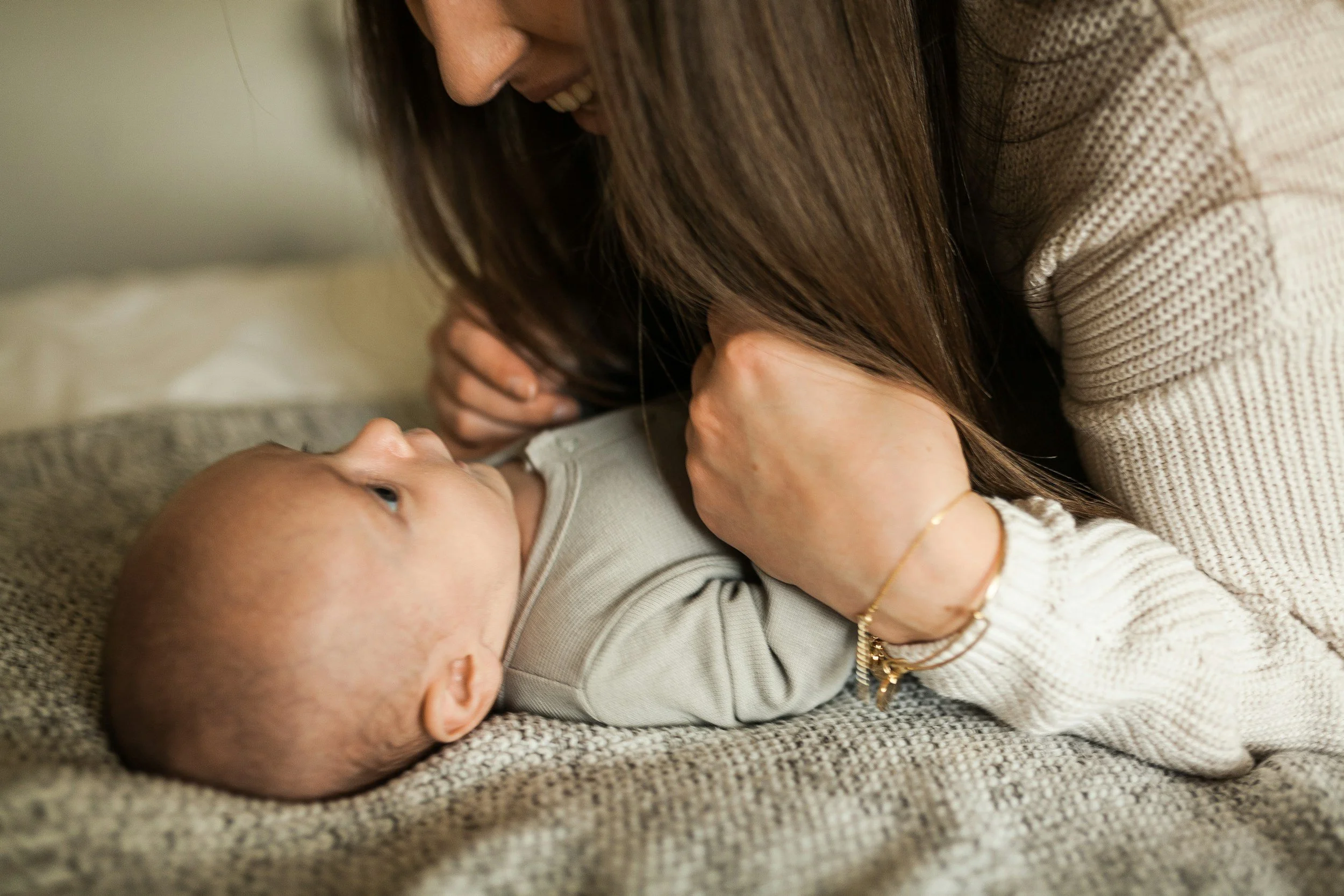
What should newborns look at? Dr Adam Lewis, a consultant ophthalmologist in Edinburgh, says it is “simple, bold patterns – not haphazard, busy patterns – that provide the right level of stimulation for babies”. Newborn eyes pick up coarse, high-contrast shapes best: a few thick lines or shapes (which can take the form of animals, faces and so on). And never underestimate your face: it is the original high-contrast card.
2–4 months
Progress is quick. By two months, your baby starts to see primary colours (such as red and blue), and red is typically the first one they see.
According to the Association of Optometrists (AOP), by four months, complex vision, including depth perception, is developing. This is an ideal time to introduce more colourful toys (e.g. Lamaze toys) and books to stimulate their developing vision. Whilst pastel colours may look beautiful, they do very little for visual stimulation until much later.
5–12 months
According to the AAO, by five months, infants see the world more completely in 3D and get better at reaching for objects both near and far. By around 12 months, an infant’s sight should be similar to that of an adult (AOP).
How babies hear
Hearing is deemed to be the most advanced sense before birth. Dr Paula Coyle, a paediatric ear, nose and throat (ENT) surgeon at University College Hospital London, states that babies in the womb start to hear from 16–24 weeks: at 16 weeks, they can hear their mum’s heartbeat and tummy noises, whilst at 24 weeks, they can recognise their mum’s voice (they will love your singing regardless of ability!). Research by Hepper and Shahidullah (1994) found that foetuses first responded to low pitches, with every tone tested prompting a response by 35 weeks.
In recent years, a ground-breaking study (Moon et al., 2013) has confirmed the following:
1. Babies begin learning language before birth: When tested immediately after birth, newborns of only around 30 hours old reacted differently to vowels from their mother’s language than to vowels from other languages. Pregnant mothers who speak a native language should therefore always speak it to their baby.
2. The foetal brain is highly capable of learning: Even before birth, babies can recognise sound patterns, identify syllables, detect changes in speech and develop memories of language.
3. Learning happens in foetuses while asleep: Another particularly interesting finding is that newborn babies can learn from sounds even while sleeping. The article highlights how quickly their brains can process auditory information, distinguish syllables and retain patterns without being consciously awake.
4. The womb provides sufficient sound exposure for language learning: Research suggests that foetuses can hear and process detailed speech sounds, including vowel variations and higher-frequency sounds.
Should I play music to my baby when pregnant?
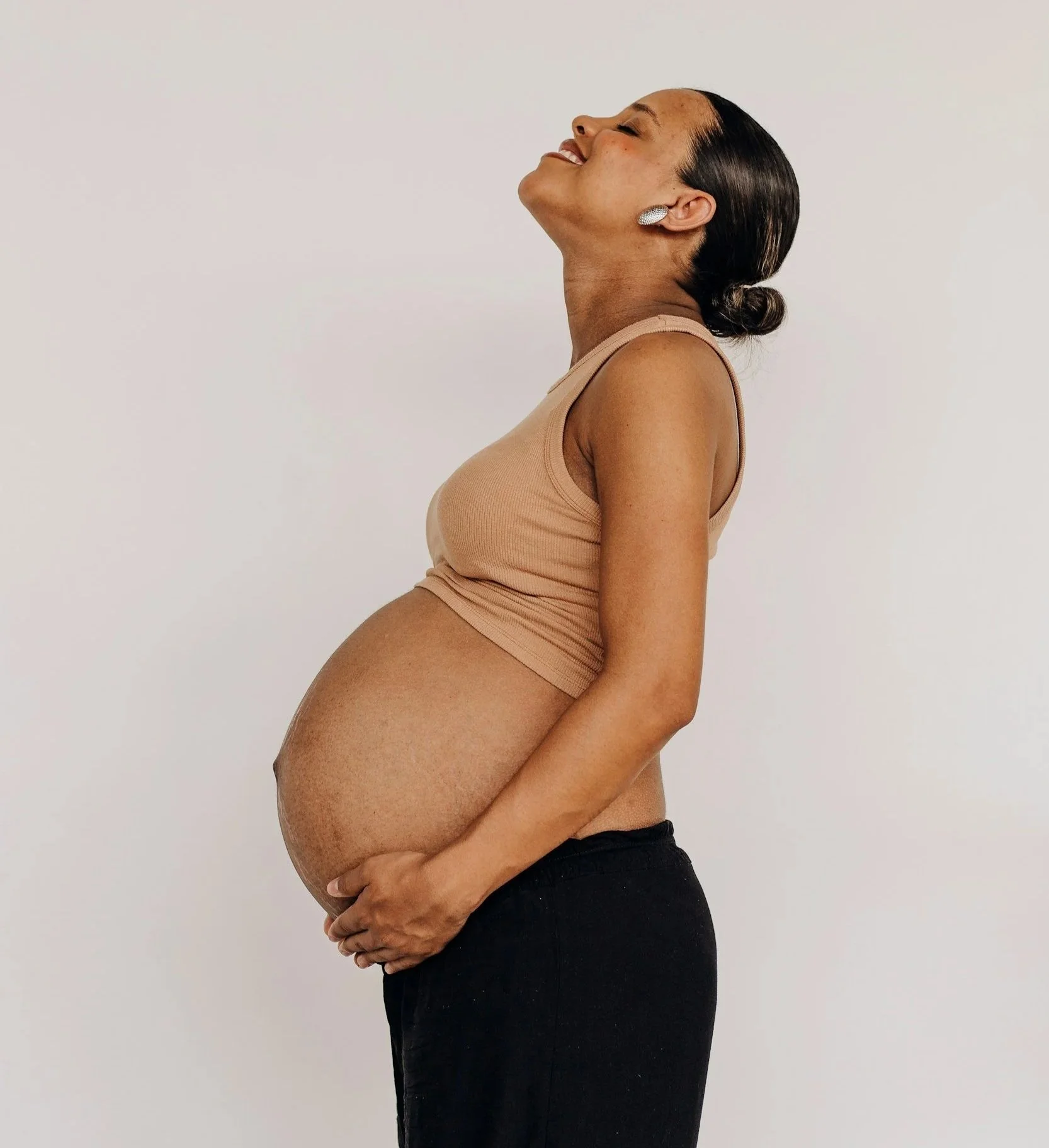
Yes – not only should you speak to your little one, you can play music too. To do this safely use room speakers at a conversational level of loudness as the womb does not block much sound, don’t use belly headphones. According to Dr Paula Coyle, babies can remember music melodies from the third trimester for several months after birth. She adds that “newborns cry in the musical intonation of their mother’s native language (for example, French newborns cry with a rising intonation, while German newborns cry with a falling intonation) – this helps babies prepare for speaking”.
Playing to your baby can begin earlier than you might think. In a Finnish study (Partanen et al., 2013), mothers played a made-up word from week 29 of pregnancy. After birth, the exposed babies showed stronger brain responses to changes in the word than unexposed babies, and the more they had heard, the stronger the response: what the authors call “direct neural correlates of human fetal learning”.
What music should I play to my baby?
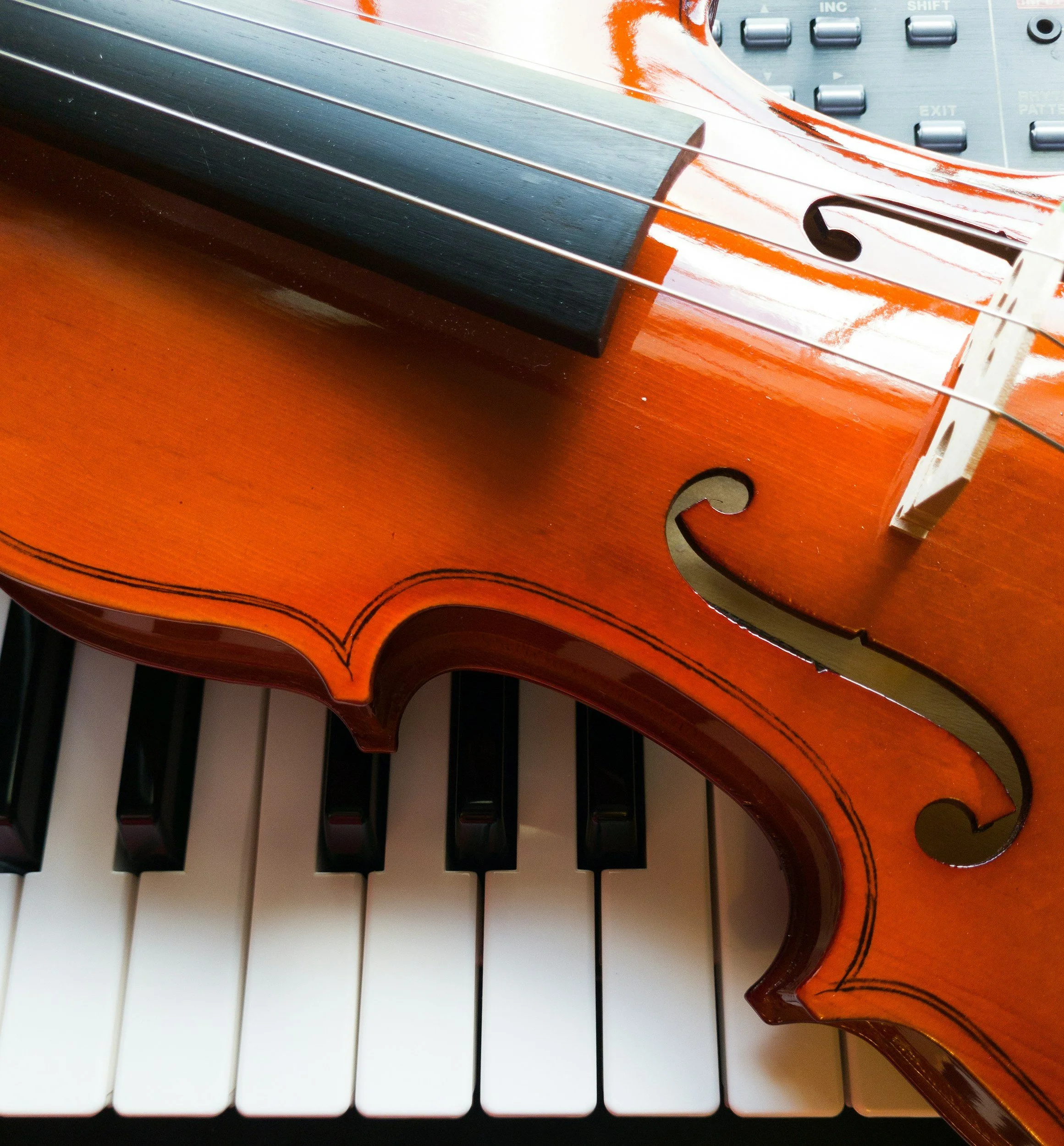
A study by the Institut Marquès in Barcelona, Spain (García-Faura et al., 2019) looked at foetuses exposed to different types of music, using a range of 15 songs from three categories: classical, traditional world music, and pop or rock. It found that classical music had a significantly higher rate of complete speech movements, triggering mouth movements in 84% of foetuses, compared with 79% for traditional music and 59% for pop/rock.
Music heard in the womb stays with babies long after birth. One study found that one-year-olds still recognised music played to them in the last three months of pregnancy (Lamont, 2001). Further, once they are born, babies can be calmed by music they heard before birth: psychologist Peter Hepper found that newborns were soothed by music they had heard regularly in the womb (Hepper, 1991). When it comes to our most vulnerable little ones, premature babies, classical music may help. A study in Pediatrics found that listening to Mozart lowered premature babies’ energy use, which may help them gain weight (Lubetzky et al., 2010).
Live music also offers what a playlist can’t: real instrument tone, shifting tempo and human connection. That is the idea behind Mini Mozart, whose classes pair live violin, clarinet, trumpet and piano with fairy-tale mini-musicals and nursery rhymes, so children are “actually listening, not just hearing”.
Advice from Great Ormond Street Hospital (GOSH) on how to develop your baby’s hearing skills
1. Once you know your baby can hear sounds, start by making a sound in front of them so that they can see you. Then make the sound to their left or right. This helps them develop the listening skills that are critical for speech development.
2. Even though your baby does not understand what you are saying, they will feel safe when they hear your calm, reassuring voice. Vary the volume and pitch of your voice too, as babies respond to high and soft voices. You don’t even need to use real words, so have some fun with sounds!
3. Teach your baby new words: expose them to different and new situations, such as shopping trips, bus trips or even washing the dishes. These are great opportunities to introduce new vocabulary.
It starts early
Long before they can smile at you, your baby is looking, listening and learning. In the first weeks, simple, bold shapes and your face are all their eyes need, while your voice and music, classical above all, help their hearing and language to grow. You don’t need gadgets or special equipment, just to talk, sing and play music to your baby, gently and often. It all starts now.
Written by Dr. I. Perkins (Eyas London) and Mini Mozart team